

Día de Muertos is a celebration of memory, family, and life.
Every year on November 1 and 2, families across Mexico and Mexican communities in the United States create ofrendas, visit cemeteries, share food, tell stories, and welcome loved ones who have passed away.
It is colorful. It is meaningful. It is full of corazón.
For many of us, Día de Muertos is also a way to reconnect with nuestras raíces. Whether you grew up building an altar with your family or you are learning the traditions for the first time, there is always room to remember, celebrate, and carry heritage forward.
Día de Muertos Is Not Halloween
Día de Muertos and Halloween happen close together, but they are different traditions.
Halloween is rooted in ancient European festivals and has become a playful celebration associated with costumes, candy, spooky stories, and trick-or-treating.
Día de Muertos is a Mexican tradition centered on loved ones who have died. Families prepare to welcome their spirits home. They display photographs, cook favorite foods, light candles, and share memories.
The mood can be joyful and colorful. It can also include grief. But Día de Muertos is not about fear or horror. It is about keeping the connection alive.
Think of it as an invitation:
Aquí te esperamos.
It Carries Indigenous and Catholic Roots
Día de Muertos has deep Indigenous roots. Many Mesoamerican communities, including the Mexica, often called Aztec, held ceremonies honoring the dead. Other Indigenous peoples across what is now Mexico developed their own customs, foods, prayers, and ways of remembering ancestors.
These traditions understood death as part of a larger cycle. The relationship between the living and the dead did not simply end.
After Spanish colonization, Indigenous practices blended with Catholic observances. The celebration became connected with All Saints’ Day and All Souls’ Day. This blending is often described as religious and cultural syncretism.
That history matters. Día de Muertos is not one single tradition with one single rulebook. Practices vary by region, family, and community. Oaxaca, Michoacán, Yucatán, Mexico City, and other places all have their own expressions.
The shared heart remains the same: recordar a los que ya no están.
For more historical context, explore the National Institute of Anthropology and History’s overview of Día de Muertos and UNESCO’s look at the tradition.
Know the Dates
The celebration takes place primarily on two days.
November 1: Día de los Angelitos
November 1 is commonly dedicated to children who have died. It is sometimes called Día de los Angelitos, or Day of the Little Angels.
Ofrendas for children may include toys, sweets, juice, fruit, and other things they enjoyed. Families remember their personalities, their laughter, and the life they brought into the world.
November 2: Día de los Muertos Adultos
November 2 honors adults who have passed away. Families may place coffee, mole, pan de muerto, beer, fruit, cigarettes, or a favorite homemade dish on the ofrenda.
In many communities, people also visit the cemetery on this day. They clean and decorate graves, bring flowers, play music, and spend time together.
Some families begin preparing on October 31. Others set up their ofrenda days or weeks earlier. There is no one universal schedule. The important part is making space to remember.
Build the Ofrenda With Intention
The ofrenda is the heart of Día de Muertos.
It is often called an altar, but it is not a place for worship in every family or region. It is a welcoming space. A place to honor the people, animals, and memories that remain part of the family.
Ofrendas can be simple or elaborate. They may have one level, two levels, or several tiers. Some families use three levels to represent different planes of existence. Others create multiple levels simply to make room for photographs, food, flowers, and candles.
There is no need to make yours perfect. Make it personal.
Common elements include:
- Photographs: These identify the people being remembered and bring their presence into the space.
- Water: A glass of water offers refreshment after the spirit’s journey.
- Salt: Salt represents purification and protection.
- Candles and veladoras: Their light helps guide the returning souls.
- Cempasúchil flowers: Their color and scent create a path toward the ofrenda.
- Papel picado: Cut-paper banners represent the wind and bring movement and celebration.
- Pan de muerto: This traditional sweet bread welcomes the dead and represents the connection between life and death.
- Favorite foods and drinks: These make the ofrenda specific to each person.
- Personal objects: A book, musical instrument, recipe, hat, photo, or other treasured item can tell part of their story.
- Copal or incense: Its fragrance is used in many traditions to cleanse the space and guide the spirits.
- Calaveritas: Sugar, chocolate, or amaranth skulls bring playful symbolism to the altar.
Some families place a mirror, religious images, rosaries, or other meaningful objects on the ofrenda. Every household has its own way.
Let the Marigolds Lead the Way
Cempasúchil is one of the most recognizable symbols of Día de Muertos.
The bright orange flower is often called the flor de muertos, or flower of the dead. Its strong color and fragrance are believed to help guide spirits home.
Families may arrange whole flowers around the ofrenda. They may also scatter petals across the floor to create a path from the entrance to the altar, or from the home toward the cemetery.
The pathway says: por aquí, aquí está tu casa.
It is beautiful because it is practical, symbolic, and full of love.

Pan de Muerto Belongs at the Center
Pan de muerto is a soft, sweet bread traditionally enjoyed during the Día de Muertos season.
It is often round, with small pieces of dough shaped like bones across the top. The design can represent the deceased, the cycle of life, or the relationship between the living and the dead. Recipes vary across Mexico, and some regions have their own styles and flavors.
Many families buy pan de muerto from a local bakery. Others make it at home. Either way, the bread is more than a seasonal treat.
It is meant to be shared.
Bring it to the ofrenda. Serve it with coffee or chocolate caliente. Take a piece while telling stories about the person being remembered. Así se celebra la vida.
Understand Calaveras and Catrinas
Calaveras are everywhere during Día de Muertos. You will see them in sugar, clay, paper, face paint, clothing, murals, and decorations.
They are not meant to be frightening. They help make death visible and familiar. A calavera can be colorful, humorous, elegant, musical, or full of personality.
Sugar skulls and other calaveritas are often decorated with bright icing. Some have names written on the forehead. They can honor someone who has passed away, or become a playful reminder that death is part of life.
The Catrina is another important image. She is usually shown as an elegantly dressed skeleton, often wearing a large hat or elaborate clothing. The modern image is connected to José Guadalupe Posada’s satirical artwork and later interpretations by Mexican artists, including Diego Rivera.
Today, Catrinas appear in public art, parades, ofrendas, and family celebrations. She represents beauty, style, equality, and the idea that death comes for everyone: rich or poor, famous or unknown.
A calavera smiles because remembering does not have to be solemn every minute.
Visit the Cemetery With Respect
For many families, the cemetery is an important part of Día de Muertos.
Loved ones may clean the grave, place cempasúchil flowers, light candles, bring food, and decorate the space. Some communities include music, dancing, prayers, or all-night gatherings.
The cemetery becomes a place of connection. Families talk. They eat. They share stories. Children learn who came before them.
If you visit a public Día de Muertos event or cemetery, follow local guidance. Do not touch another family’s ofrenda. Ask before taking photographs of people or private altars. Respect the space as someone’s homecoming.
The celebration is joyful, but it is never careless.
Wear Your Heritage With Pride
Clothing can become part of cultural memory too.
Shoptezuma’s Día de Muertos collection brings calaveras, Catrinas, papel picado, music, and Mexican-inspired artwork into everyday style. These designs are made for family gatherings, community events, cemetery visits, festivals, and any moment when you want to say mi cultura vive.
What to Wear for Día de Muertos
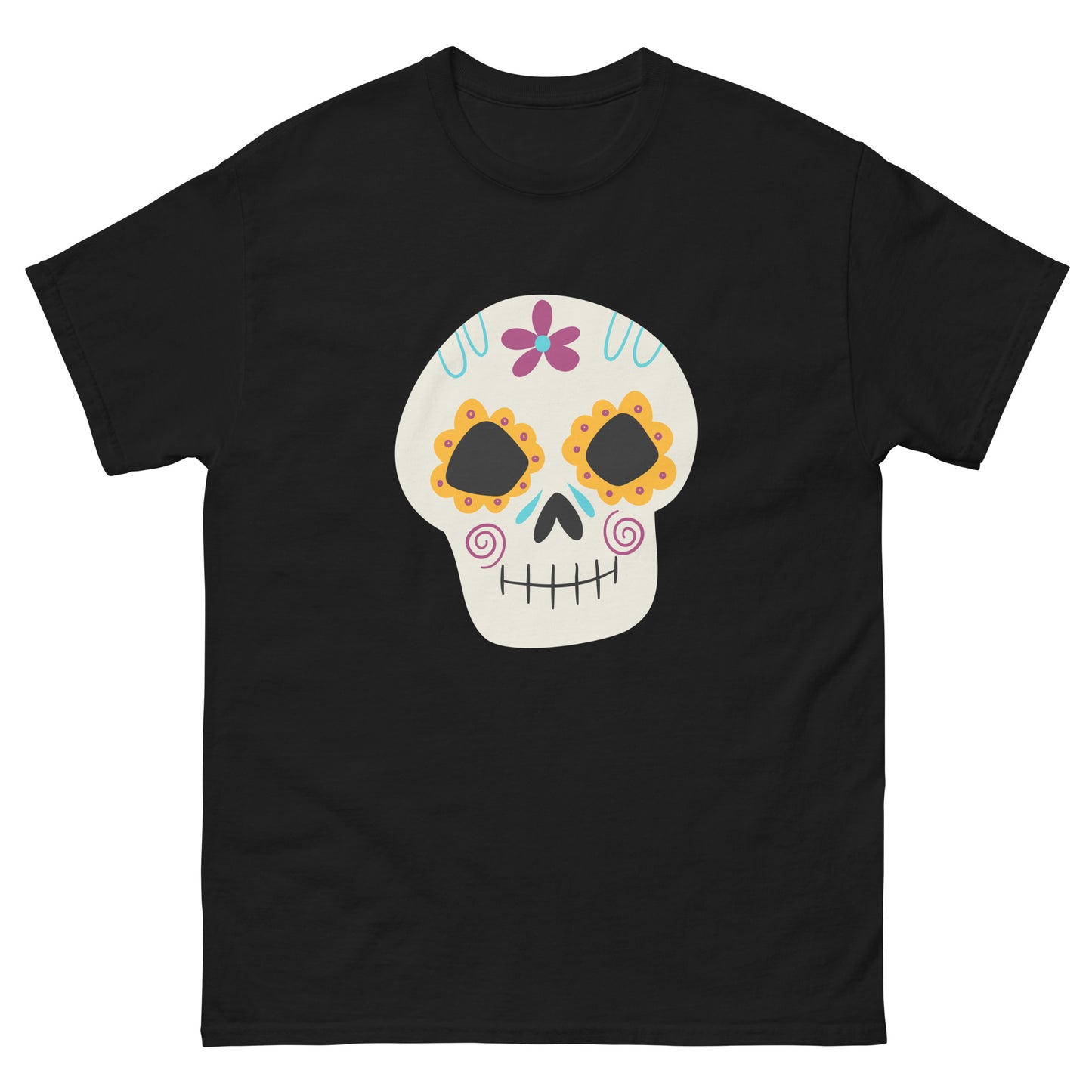
- Muertos Skull Men’s Classic Tee: A structured black tee with a bold calavera design.
- Muertos Skull Women’s Relaxed T-Shirt: A relaxed everyday fit in heather prism natural.
- Día de Muertos Short-Sleeve T-Shirt: A comfortable staple for the season.
- Muertos Iguana Men’s Classic Tee: A striking calavera-inspired design with an animal twist.
- Muertos Cat Women’s Relaxed T-Shirt: A soft relaxed tee featuring a festive Muertos cat.
- Muertos Dog Men’s Classic Tee: A cardinal-colored classic tee honoring a beloved companion.
- MUERTOS KISS T-shirt: A rock-inspired way to bring your Día de Muertos style.
- Muertos Musico Toddler Short Sleeve Tee: A playful option for the little one in your family.
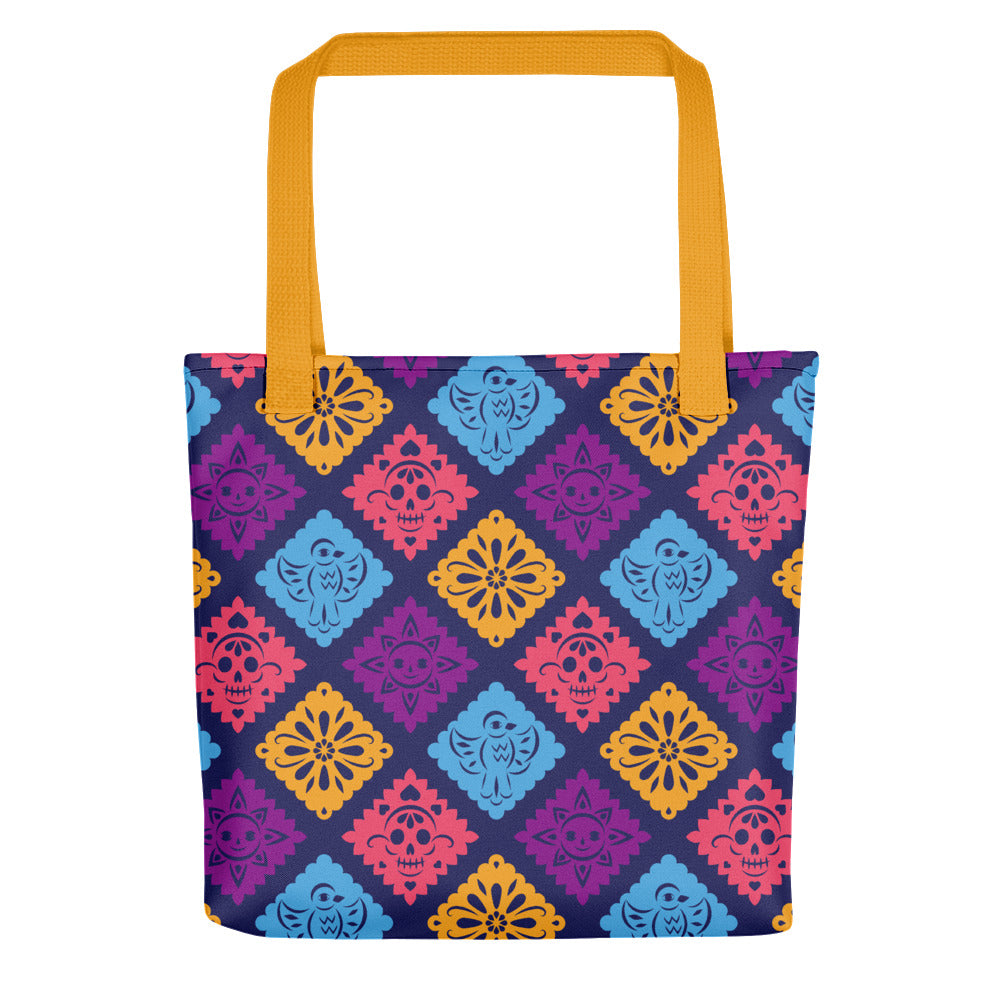
- Papel Picado Tote Bag: Carry your essentials with a design inspired by this festive tradition.
- Catrinas Tote Bag: A practical everyday bag with elegant Catrina artwork.
- Calaveritas Backpack: A water-resistant backpack covered in colorful calaveritas.
Keep the Connection Alive
You do not need a huge altar, a perfect recipe, or years of experience to begin.
Start with a photograph. Add a candle, a glass of water, some cempasúchil, and a favorite food. Ask your family about the people whose stories should be remembered. Play the music they loved. Make pan de muerto part of the gathering.
Most of all, remember that Día de Muertos belongs to the people who practice it. It changes from home to home. It grows with every generation.
For Mexican families in the United States, it can be a powerful way to pass culture to your children and keep a connection to Mexico strong.
Que vivan nuestros recuerdos. Que nunca se olviden.
Celebrate your loved ones. Celebrate your heritage. Celebrate Día de Muertos with pride.